


We Were Happy. And We Didn t Know It
A Christmas memory, jazz in the background, and the sound of being unknowingly happy. Why Christmas jazz still feels like home.

The image is clear, almost photographic.
Your parents have just brought you home after your fourth-grade school play. Tomorrow, Christmas holidays begin. On the way back, you stopped at a toy store. Now you’re sitting on the floor, assembling a brand-new puzzle. The TV is on, Home Alone is playing. And in the background, coming from the stereo speakers, your favorite album spins: A Charlie Brown Christmas by Vince Guaraldi.
Skating, Christmas Is Coming, O Tannenbaum.
You are happy.
And you don’t know it.
You don’t know it because, at that age, happiness has no name.
It isn’t analyzed, measured, or explained.
It simply happens.
It stays there, quietly, while you’re doing something else.
And very often, it has a soundtrack you’ll only recognize many years later.
Maybe that’s why, as we grow older, Christmas music still hits us so deeply.
Because it works in the same way: it doesn’t speak to the present, but to memory. It relies on nostalgia, on recollection, on something we have already lived. Christmas songs don’t create new emotions, they reach back one or two generations, pulling from the past what already feels familiar.
It’s not just the bells.
Not just the strings.
And it’s not even the double bass alone that makes the magic happen.
It’s the time those sounds evoke. Many Christmas songs and soundtracks deliberately choose a musical language that doesn’t belong to the moment they were released. They look thirty or forty years back, leaning on an aesthetic that already carries memory within it. That’s why even a movie like Home Alone builds its Christmas atmosphere by drawing from a musical past older than the film itself instantly warmer, truer, already ours.
Because Christmas music doesn’t just talk about the holidays.
It talks about us.
About when very little was enough.
About when time felt wider.
About when we were happy, and didn’t know it.
Raise your hand if you’ve never played a Christmas song while decorating the tree. If you don’t associate them with movies, city lights, or a kitchen full of voices. Christmas music is an emotional constant: it crosses eras, trends, generations. We often listen to it distractedly; while shopping, walking through the city, rushing somewhere. Yet it always does the same thing: it slows the world down for a few minutes.
A Familiar Sound of December
Christmas songs don’t just mark a season. They shape a feeling.
They come from different centuries and different worlds, from traditional carols to pop anthems everyone knows by heart. Some of them stayed because they learned how to speak to memory, not to trends.
And when Christmas meets jazz, something slows down. The celebration becomes quieter, warmer. Less about brightness, more about atmosphere. Swing, blues colors, and walking bass lines turn the holidays into a space rather than an event. Different artists, different decades, same language. Because Christmas music, just like jazz, works best when it takes its time.
In a fast, noisy, consumption-driven era, that lightness feels rare. Almost everything runs. Except those songs. Christmas music stays. It returns every year, like a ritual no one really needs to explain.
Where jazz feels at home
This is where jazz naturally finds its place.
Christmas jazz doesn’t invade. It doesn’t demand attention. It enters quietly. It swings gently. It breathes. Medium tempos, brushed drums, soft pianos, and bass lines that walk without hurry.
The double bass, especially, becomes a reassuring presence. Not a protagonist, but essential. It holds everything together. It doesn’t shout — it gives depth. It represents a certain idea of class: discreet, measured, quietly elegant.
Jazz is probably the ideal companion for Christmas.
Not only for nostalgia, not only for the need to return at least mentally to ourselves. But also to move through the holidays with balance, restraint, and silent beauty.
And among all instruments, the one that best embodies this spirit is the double bass.
A presence that supports everything without ever asking for attention.
As even Michael Scott, in his own way, once reminded us.
Maybe this is the real secret of Christmas jazz: it doesn’t play for the present, but for memory. Not to take us back, but to help us recognize something we’ve already lived. A precise, fragile feeling — impossible to recreate.
We can’t become children again.
But we can return, for a few minutes, to that feeling.
To when music wasn’t a conscious choice, but an environment.
To when Christmas wasn’t an event, but a suspended time.
To when we were happy.
And didn’t know it.
Edit by Andy.
If you enjoyed this piece and felt good in our company, come back for another story, another groove.
JDB
Share the jazz vibe. Every click connects hearts.
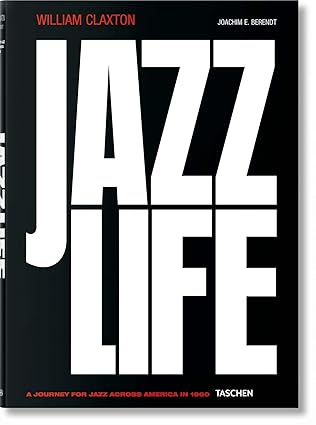
I recommend this life-changing jazz book. Buying it helps support my project.



** We make your browsing more enjoyable with non-intrusive ads and gentle suggestions. Because we believe even your phone should be entered with kindness, like the double bass: present, deep, never intrusive.
Published on: December 24, 2025
This article has been read 358 times.
Comments
A moment to slow down, listen deeper, and reconnect with what really matters.
May these days be filled with music, quiet joy, and the kind of groove that stays with you long after the last note fades.
Merry Christmas from Just Double Bass.
that feeling when u was kid and everything was simple...
christmas music on tv old movies lights everywhere...
and that bass sound just walking slow...
didnt know why i feel good but yeah now i get it...
merry christmas!!!
Login to leave a comment.